

Baildon Neighbourhood Plan (2026-2040)
11.0 Objective 6 - Economy
To support a thriving village centre and local economy.
Introduction
11.1Baildon has a population of over 17,000, with high levels of economic activity and relatively low levels of unemployment. Like other places across Bradford District, Baildon has been shaped by waves of economic activity, particularly the textile industry, with numerous buildings including former mills still surviving today.
11.2Baildon has also been shaped significantly by its proximity to other larger centres of economic activity, especially Bradford. Baildon has for centuries been a place of recreation and outdoor activities for those living in more urban environments, and this can be seen most prominently in the Shipley Glen Tramway and Shipley Glen itself.
11.3In addition, when Bradford was at the height of its boom as the textile capital of the UK, wealthier families chose to reside in the clean air of Baildon, whilst still being within easy commuting distance of Bradford by carriage, and later by early cars. Baildon then has a solid history as a commuter settlement, and although the “travel to work” area is now regional (commuting to Bradford, Leeds and wider West Yorkshire), national and sometimes international, the local economy of Baildon is shaped by its attractiveness, good connections and quality of life for those who work elsewhere.
11.4Baildon’s main employment zone is in the mixed-use industrial, business, retail and residential area which lies north of the River Aire and south of Otley Road (A6038). This complements the Shipley mixed use employment zone on the other side of the River Aire. Land falling between the A6038 and the River is predominantly commercial and industrial although with several areas of housing. It offers a wide range of employment both to residents of Baildon and the district as a whole.
11.5Baildon centre (known as the Village Centre) lies towards the highest point of Baildon, and has a modest retail and service offering, together with a number of lively pubs cafes and bars who frequently offer live music for their customers. The well-used Baildon Library is here, together with health services. As stated above, the prosperity of Baildon rests on a range of economic activity, including its attractiveness as a commuter settlement, and the village centre is a crucial focal point for all sorts of community activities, services and entertainment. Baildon also has a strengthening visitor economy offering a combination of beautiful countryside but also easy access to Saltaire, Bradford and Leeds.
11.6Baildon lies on a very steep hill which leads to strong patronage of local shopping centres by adjacent communities. These local centres are of vital importance, allowing residents to walk to local shops and some services, rather than drive up the hill to the centre.
11.7Important local shopping centres include:
- Threshfield (Station Road)
- Coach Road
- Retail areas along Otley Road including Charlestown (St John’s Court)
- Woodbottom.
Planning policy can help to set out what uses are acceptable in these areas, and what improvements and enhancements could be made to maintain their health and vitality.
11.8Baildon has significant numbers working in self-employment and people who work from home. Support services such as good mobile and broadband are essential, as well as good transport links to other economic centres.
11.9The following topics are considered in more detail: -
- Economic Development in Baildon
- Baildon Village Centre
- Historical featuresand Baildon Village Centre in 2026
- Boundary for the Village Centre
- Village Centre usage and layout
- Streetscapes ad shopfronts
- Car Parking in the Village centre
- Maintaining Local Shopping Areas
- The Visitor Economy
Background and justification
11.10Supporting the local economy and local job creation was one of the top 4 issues identified by residents in the survey for the Baildon Plan Update 2019.
11.11Bradford Council’s Policies for economic development in Baildon are contained in Sub Area Policy AD2: InvestmentPrioritiesforAiredale. (https://tinyurl.com/CBMDC-Investment-Priorities). Bradford Council’s policy for employment uses is in the saved RUDP Policy E6 Employment Zones which is superseded by the Core Strategy Policy EC4 (https://tinyurl.com/CBMDC-Core-Strategy)
11.12Most of Baildon is identified in the Core Strategy (Policy SC4) as a Local Service Centre. These centres form the fourth tier in the settlement hierarchy and provide services and facilities that serve the needs of, and are accessible to, people living in the surrounding rural areas. This designation means that the level and pace of growth that will take place is lower and slower compared to urban areas. Bradford’s emerging Local Plan (at the time of writing) does not propose to change the role and status of Baildon within the settlement hierarchy – it is proposed to remain as a Local Service Centre.
11.13However, the largest area of economic activity and employment in Baildon lies within the area bounded by the River Aire and Otley Road, which is identified as an area of development. This is set out in Bradford’s Local Plan 2020-2038 Strategic Policy SP3 and applies to the Regional City of Bradford including Shipley and ‘Lower’ Baildon. Bradford Council’s Regional City Policy (https://www.tinyurl.com/CBMDC-Regional-City-Policy) It states:
“The Regional City of Bradford including Shipley and Lower Baildon will provide the prime focus of new housing development and of employment, shopping and health, leisure, business and public services in the District. Focusing development, investment and activity on the Regional City of Bradford, Shipley and Lower Baildon offers the greatest scope to:
- re-use land and buildings
- make the most of existing infrastructure and investment
- lower carbon emissions and reduce the need to travel and maximise accessibility to services and facilities
- encourage more active travel over short distances and encourage the use of public transport.”
11.14Although the boundaries are not co-terminus, the Baildon Neighbourhood Area fall within parts of the following designations to support the economy:
- Shipley Towns Fund
- Shipley Business Development Zone
- Shipley Area Employment Zone
- Baildon Otley Road Economic Area (BOREA)
a. Shipley Towns Fund
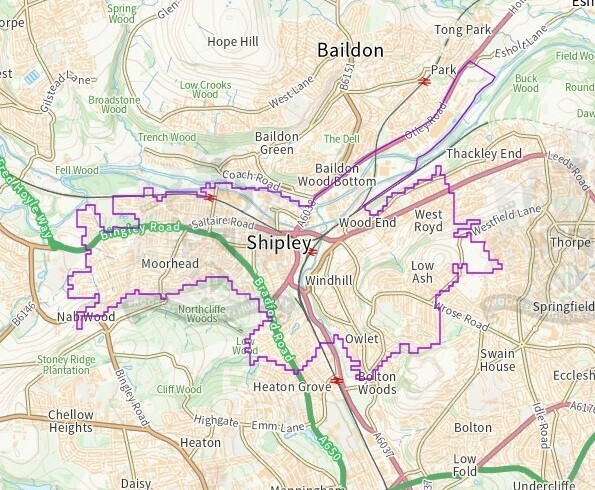
Shipley Towns Fund (https://www.bradford.gov.uk/regeneration/shipley-towns-fund/shipley-towns-fund-area-map/).
Figure 12. Parts of Baildon Neighbourhood Area fall into the Shipley Towns Fund
(https://www.bradford.gov.uk/regeneration/shipley-towns-fund/shipley-towns-fund-area-map/).
Source: Bradford Council PSGA AC0000823741
b. Shipley Business Development Zone
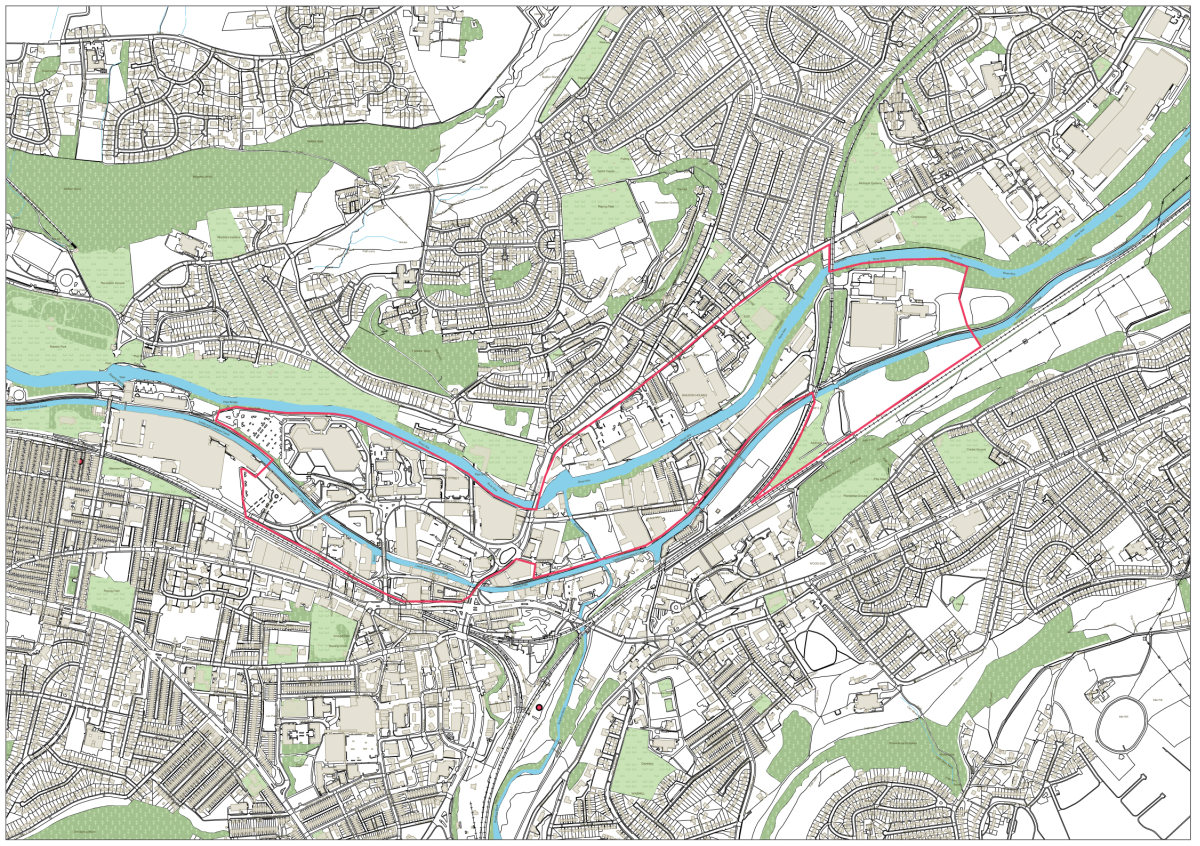
Figure 13. Parts of the Baildon Neighbourhood Area also fall within the Shipley Business Development Zone (https://bradford.gov.uk/regeneration/towns-fund/bradford-business-development-zone-report/)
Source: Bradford Council PSGA AC0000823741
c. Shipley Area Employment Zone
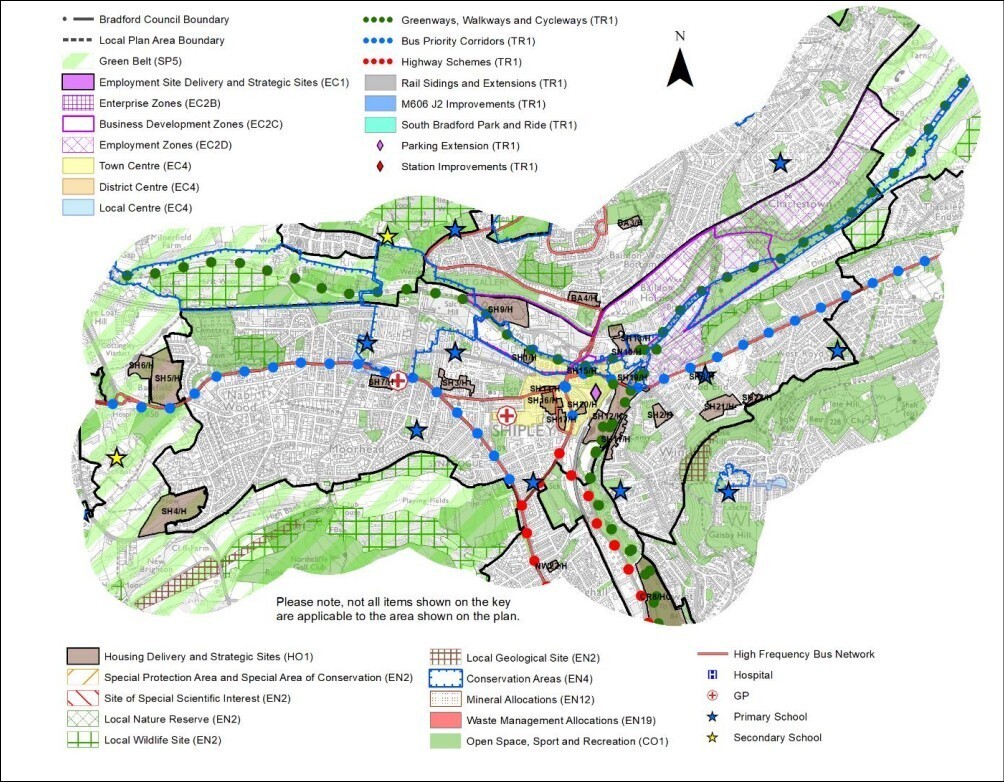
Figure 14. Parts of Baildon Neighborhood Area fall into the Shipley Area Employment Zone. (https://tinyurl.com/Shipley-Area-Employment-Zone)
Source: Bradford Council PSGA AC0000823741
d. Baildon Otley Road Economic Area
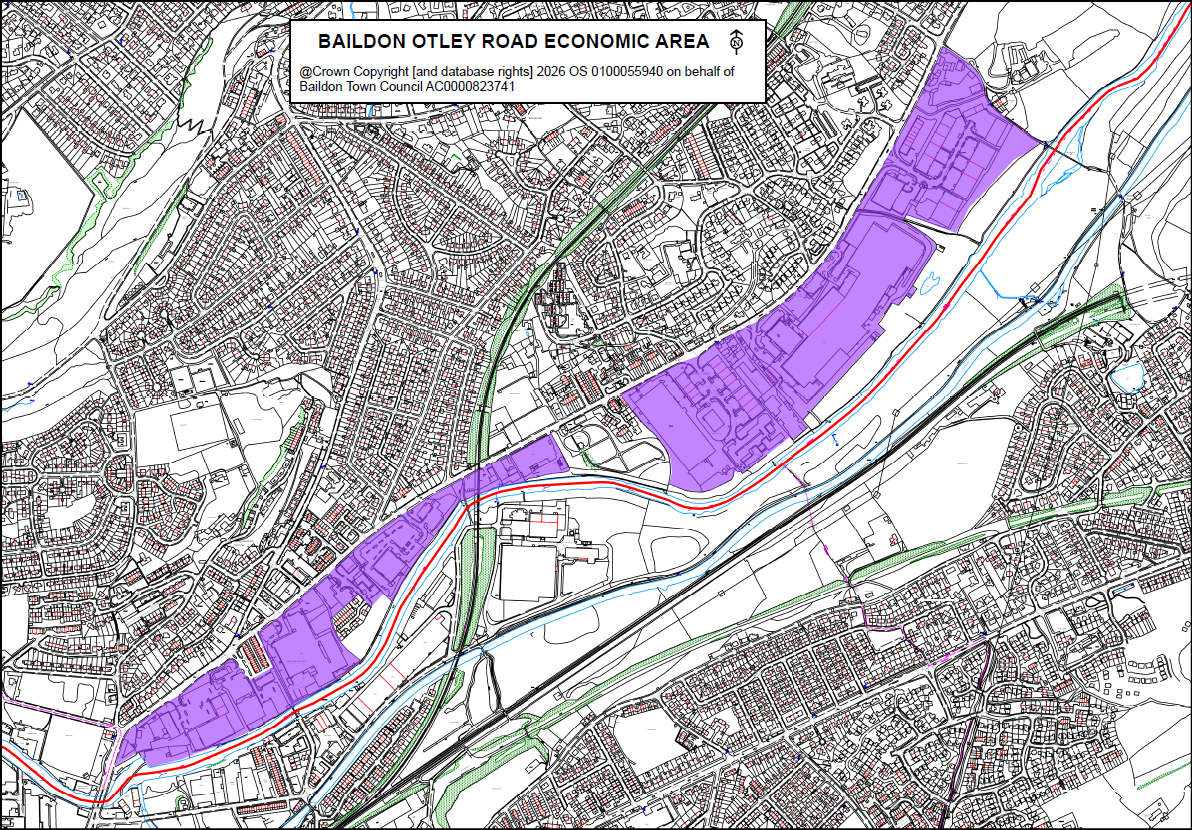
Figure 15: Baildon Otley Road Economic Area
A. Economic development in Baildon
Background and justification
11.15The section on economic development should also be read in conjunction with the Policies on Housing above.
11.16The area between the A6038 Otley Road and the River Aire is known as Charlestown. Within this area there is a mix of large retail units, trade counters, industrial/business units, workshops, factory units and residential properties. Larger employers include DENSO Marston, H.C. Slingsby, Manor Coating Systems and Printcraft.
11.17In Bradford’s Core Strategy planning policy this area is part of the Regional City of Bradford site ref: S/E6.3: Shipley. It is also identified in the emerging Local Plan within Policy EC2D as well as within draft Local Area Plan for Shipley. At the point of publication of the draft 2020 Local Plan, it was not proposed to amend the boundary of the Employment Zone from that set out in the saved policies of the RUDP.
11.18However, the Employment Zone (as identified) in 2025 did not include the area located between the River Aire and Otley Road to the west encompassing Lower Holme, the Wickes DIY store, BM Home Store, Inspired Carpet, the Travel Xpress depot and the various car dealerships. However, this area was identified under draft Local Plan Policy ED2C (and within the Local Area Plan for Shipley as being part of a wider Business Development Zone BDZ) compassing the site of the former Tax Office and the employment area between Otley Road and the River Aire.
11.19Tong Park Industrial Estate is a large commercial centre built around the former mill buildings of the former Denby Mill and it houses many businesses. Whilst not in the NA it does fall into Baildon Ward and sits within the Bradford District. The continuation of this employment and business usage is strongly supported as a vital ingredient in the local economy.
There is also a lack of clarity in respect of the Eastern boundary of the economic area , as can be seen from the maps above. The Shipley Towns Fund extends all the way to the bottom of Esholt Lane, whereas the Shipley Business Development zone excludes completely the large new business area to the west of Buck Lane. The development of this business park was strongly opposed by the local community who sought to maintain access for Baildon to the river which forms it's boundary.
Due to these inconsistent boundaries, for clarity in Baildon Neighbourhood Plan, this area is clearly defined and will be referred to within this Plan as ‘Baildon Otley Road Economic Area’ (BOREA). The BOREA (see figure 15) has Buck Lane as its eastern boundary, thereby protecting further "creep " of industrial development along the river frontage. To note: this boundary defines the area of development within Baildon which is supported by Neighbourhood Plan, in accordance with Bradford’s strategic plan. It does not seek to define a new ‘zone’, but provides clarity of boundaries in order to guide any future plans which may follows especially in relation to the emerging Local Plan.
11.21The frontage to the River Aire has been protected to some degree despite extensive commercial development of this area, and the Denso Marston nature reserve is a strong example of business support for local amenity and the natural environment. It is essential that this river frontage is fully protected in years to come, and opportunities sought to improve pedestrian access and enjoyment of the River frontage and increase biodiversity.
11.22Within the Neighbourhood area there is already substantial housing development behind Berry Close within the ‘Employment Zone’ and this Plan proposes that more development could be sustained.
11.23Baildon is not currently well served by broadband and mobile coverage. All sorts of businesses are hampered by poor digital connectivity. Any opportunities to improve this will be strongly supported.
Baildon Policy 19 – Supporting Economic Development in Baildon
BP19/1 Proposals for economic and employment development within Use Classes B2, B8 and E(g) in the Baildon Otley Road Economic Area will be supported when:
- In all future documents and maps produced by Bradford council or other agencies the title of BAILDON is included whenever the proposals include policies which related to the Baildon Neighbourhood Area and that boundaries for such plans going forward are all aligned with the BOREA identified in this Plan.
- Access is retained for the River Aire frontage as a local amenity for residents and visitors.
- It is of a high-quality design reflecting high standards of sustainability and of a scale compatible with the surrounding area and adjacent land uses.
- It is appropriate in terms of its impact on the capacity and safety of the surrounding highway network, including the provision of sufficient car parking and loading space within the curtilage of the site, in line with the parking standards established under Bradford Core Strategy Policy TR2. Where appropriate, proposals should be accompanied by a Transport Assessment or Transport Statement.
- Provides opportunities for visitors and employees to travel by non-car modes including by public transport, walking and cycling. Where appropriate, proposals should be accompanied by a Travel Plan
- Does not have an unacceptable adverse impact on the amenity of neighbouring residents and occupiers.
BP19/2 Proposals for development of use outside Use Classes B2, B8 and E(g) in the ‘Baildon Otley Road Economic Area’ will only be permitted where the provisions of Part C of Bradford Core Strategy Policy EC4 are met.
BP19/3 Within the whole Neighbourhood Area the development of small business or retail units will be supported within any development or redevelopment to support small business start-ups, subject to meeting other neighbourhood plan and District Local Plan policy requirements, including those relating to the location of development, amenity, accessibility and environmental impacts
BP19/4 Within the whole NA initiatives to improve digital connectivity including improved broadband connections and/or mobile telecommunications to support domestic and business will be supported, subject to being consistent with the provision of the Baildon Design Code and other relevant policies relating to Conservation Areas and Local Green Spaces.
B. Baildon Village Centre
i. Historical Features and Baildon Village Centre in 2026
11.24Baildon once had a central square in common with market squares in historic towns and villages across the country. In 1862, Barnsley Beck, a natural waterway running down from the moors and through the centre of Baildon to the River Aire, was culverted and now flows under the central roundabout and lower car park. In the 1960’s, many old buildings were demolished, as well as housing, and the centre was laid out with the large roundabout that we see today. The Ian Clough Hall, (now demolished) was built in 1971 by Baildon Urban District Council, with a large car park adjacent to accommodate heavy regular usage of the Hall.
11.25The Potted Meat Stick (properly named the Frances Ferrand Memorial Fountain) and the Stocks area (comprising the stocks and market cross) are the heart of Baildon Village Centre, although these historical features do not sit in their original locations. It is important that if the design or layout of Baildon Centre changes, that these key historic features remain and are protected. These historic features are crucial to the identity and character of Baildon Village Centre and deserve the highest possible protection.
Figure 16. The village centre before development and today
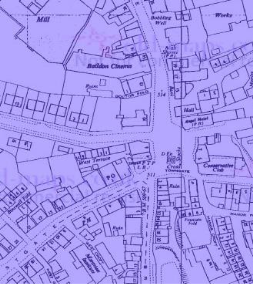
Baildon pre-1960
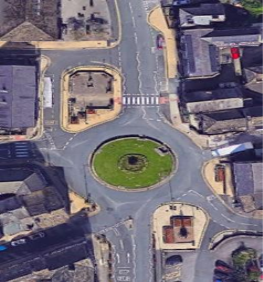
Baildon post mid 1960s
11.26Westgate is the centre of the retail and service Village Centre, and many historical features remain. It hosts a mixture of new and long-standing businesses. However, local research has shown that Westgate is much more than a route through the centre. Due to the historic design of folds and passages, a local study showed that no less than 38 residential properties use Westgate as their sole vehicular access, which means that pedestrianisation of this street is impractical.
11.27The regular Baildon Farmers’ Market, which takes place monthly, continues to attract great support from the Baildon community and elsewhere with a regular attendance of approximately 25 stalls. It makes a significant contribution to the footfall and economy in the centre of Baildon, with many other businesses reporting increased trading on those days. The award-winning market enhances community identity with regular music and other entertainment and supports small local food and drink producers from across Yorkshire.
11.28During recent years, in response to the success of large-scale community events such as the Harley Rally, the Christmas Lights switch on, Baildon Carnival and Baildon’s Remembrance Parade, road closures in the central areas have been used very successfully to open up the area for safe pedestrian use by the diversion of cars. It is important that these current usages which contribute to Baildon Centre are protected any development in the centre of Baildon. Baildon Village Centre retains its ‘village feel’ in large part due to the many historical buildings located around the central area, including the Malt Shovel public house (listed) and the Towngate Rooms (proposed as a non-designated heritage asset). Although Baildon is a town, the nomenclature of Baildon Town Centre has never been adopted locally, instead reference is made to ‘the village’ or ‘Baildon Village Centre’ and this has now been formally agreed by Baildon Town Council to avoid confusion. Although there are also numerous modern buildings in the central area, Baildon Village Centre retains its attractiveness and prosperity today due to the preservation of these much-loved historic features.
11.29It is notable that in Baildon Village Centre, the occupancy level of the commercial premises is high. There are, in 2026, no charity shops. There has been a notable shift towards personal services (such as hairdressers and barbers, beauticians and nail bars) over recent years, but a wide variety of independent shops remain. Baildon benefits from a resilient and popular evening economy, with a wide variety of bars, restaurants and pubs. Visitors regularly are drawn to these attractions from further afield, especially during the large-scale events mentioned above. There is a long tradition of community involvement and civic pride – voluntary groups such as Litterfree Baildon and Baildon in Bloom are essential ingredients in keeping Baildon Village Centre as a popular service centre for Baildon residents and visitors alike.
11.30There are no longer any banking services in Baildon Village Centre and no Post Office. Only one cash point remains within the Co-Op supermarket. Baildon Town council has made an application for a Banking hub but at the time of writing this had not been successful.
11.31BTC provides well-used public toilets of a high standard which support economic activity (including tourism and public events) in the centre of Baildon. There is also evidence that public toilets are notable features which attract and support the mobile and outdoor workforce.
11.32Policy 20 seeks to retain the vibrancy and vitality of Baildon Local Centre by supporting development of uses in Class E (Commercial, Business and Service) and Class F (Local Community and Learning). Residential development will, therefore, only be supported on upper floors. It is important that these current usages which contribute to the Baildon Village Centre are protected.
ii. Boundary of Baildon Village Centre
11.33Following local representations, the 2022 consultation proposed a change to the boundary of the local (village) centre, and this was supported during the consultation.
11.34The 2025 public consultation also had wide support for all aspects of proposed Policies relating to Baildon Village Centre, boundary, usage and public realm.
Policy on Baildon Village Centre usage and public realm
Do you agree with the Policy on Baildon Village Centre usage (0 don’t agree, and 5 strongly agree)?
Average Rating: 4.2
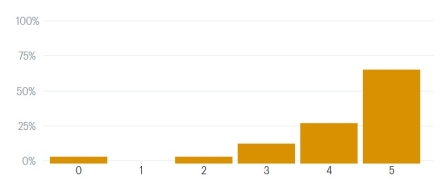
Residents Commented
- "Consideration given to closing Northgate for Farmers Market: Pedestrianisation is an important community -strengthening facility”.
- "This document does not address the most urgent need to encourage more retail businesses back into the village that are actually useful to residents on a daily basis. Look at any thriving small town …These other places have charity shops, butchers, bakery, greengrocers, hardware, eco/refill store, and a choice of food shopping outlets. They have decent cafes, restaurants and bars with an individual identity and quality offer…"
- "USAGE: The public toilets are very important. Particularly when you have young children, and as you get older.
- "Whilst it may be impractical to pedestrianise Westgate, it certainly does not need to be a through road. A parallel route runs along the grove. The eastern end should be blocked off with SuDS and the junction with the B6151 moved closer to the roundabout. - The roundabout is overly wide and does nothing to restrict speeds… “
11.35Bradford’s Local Plan identifies Baildon Centre as a “local Centre “- Policy EC5 providing local services to meet the needs of the local surrounding area.
11.36However, the boundary as currently drawn by Bradford currently excludes significant areas of commercial businesses and services which play a vital role in sustaining the vibrancy of Baildon Centre. It is important that these centrally located properties continue to fulfil a commercial purpose. These omissions include the following:
- He many shops in Browgate south of the roundabout should be included within the commercial centre as these premises are viable and attract much footfall. This is also the location of the only remaining chemist in the village centre.
- Wesley’s and adjacent commercial properties on Newton Way are well used and should be included. Wesley’s attracts large numbers day and evening and is frequently the location of cultural events including concerts, talks etc. as well as an important large meeting space for Baildon.
- The Grove public car park is essential for access to adjacent businesses in Northgate.
- Areas to the north of Hall Cliffe including the community garden and space to the rear of 1-3 Northgate. Hall Cliffe Garden is the main accessible open space in the centre of Baildon.
- East of Browgate, the area used by Baildon Farmers Market and car parking
- The commercial footprint of the Co-operative Supermarket, Baildon’s only major supermarket, and the public toilets opposite, on Northgate.
Although many residents comment that they would like to see ‘more everyday shops such as a ‘bakery, deli and a greengrocer’s current planning policy does not enable these uses to be prioritized above others. Such new uses would therefore be dependent on patronage by local people to enable such a business to be commercially viable.
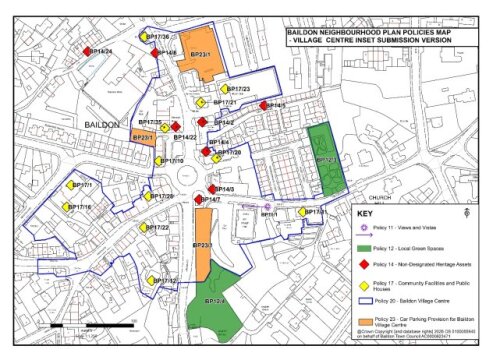
For the proposed boundary see figure 17 and associated village centre policies inset map.
Figure 17. Baildon Neighbourhood Plan Policy Map – Village Centre Inset
Crown copyright [and database right]2025 OS 0100055940
on behalf of Baildon Town Council Ac000082374
iii. Village Centre usage and layout
11.37Could the village centre be improved? Redevelopment and reconfiguration may be possible but there are no current plans to do so.
11.38There are physical constraints e.g. arising from the culverting of Barnsley Beck and the water management structure currently located under the roundabout. The re-configuration of Baildon centre may not be practical given the many constraints. As there are no plans currently being considered, a Policy is not included within this plan. However, BTC remains open to well thought through and feasible proposals from the relevant authorities for a scheme at some point in the future.
iv. Streetscape and shopfronts
11.39It is of vital importance that the existing fabric of the Village centre is maintained and wherever possible improved. All proposals to improve signage, street furniture, planting, trees, public transport, infrastructure (including electronic displays), car parking, cycling, pedestrian infrastructure, EV charging points – will be supported where such proposals are well-designed and in keeping with the existing character of the village centre.
Baildon Policy 20 – Maintain the Vitality and Viability of the Village Centre
The following measures will be supported:
BP20/1 The boundary of Baildon Village Centre will as per the boundary marked on the Village Centre Boundary Policies Inset Map.
BP20/2 Proposals for development within this area will be supported which contribute to the Centre’s vibrancy and vitality, providing retail, hospitality and service functions (including bringing empty floor space at first floor level and above for residential use as appropriate). Where planning permission is required, proposals falling within Use Class E and F1/F2 (Learning and Non-Residential Institutions/Local Communities) and public houses/drinking establishments (Use Class Sui Generis) will be supported subject to other policies in the neighbourhood plan.
BP20/3 Where planning permission is required, proposals for change of use of existing premises occupied by Class E. F and pub/drinking establishments will not be supported unless all three conditions are met:
- It can be demonstrated that the premises are no longer commercially viable for its current use.
- The existing use has been actively marketed for its current use for a period of 6 months.
- The proposed use will make a positive contribution to vitality and viability of the Local Centre.
Baildon Policy 21 – Village Centre – Public Realm
The following measures will be supported:
BP21/1 Proposals which improve that character and appearance of the village centre will be supported including:
- Environmental and public realm improvements at key gateways to the village centre
- Retention and enhancement of key open spaces, or their replacement were they to be developed.
- Landscaping, planting and provision of street trees
- Improvements to bus infrastructure, including considering the relocation of existing bus turning point. Any changes would need to ensure no detriment to passenger facilities.
- Ensuring adequate car and cycle parking provision
- Provision of electric vehicle charging infrastructure
BP21/2 Improvements which aid pedestrian, cycle and bus movements, accessibility and safety.
BP21/3 Environmental and public realm improvements (including signage and seating) at key gateways into the village centre.
BP21/4 Development proposals should make a positive contribution to the design and visual appearance of streetscape and townscape in Baildon Village Centre whilst reflecting its historic nature and Conservation Area status.
BP21/5 Proposals for the provision of public art within the Village Centre will be supported, subject to meeting other policy requirements the neighbourhood plan and Baildon Design Guidelines and Design Codes (where planning permission is required).
Baildon Town Council Supporting Actions – Baildon Village Centre
- BTC remains open to proposals for the reconfiguration of Baildon Village Centre, but currently has no plans to do so, because of the many physical constraints which would have to be overcome.
- BTC supports the Fair-Trade kite mark.
- BTC supports the development of a banking hub
Baildon Policy 22 – Shopfronts
The following measures will be supported:
BP22/1 Proposals for new or replacement shopfronts within Baildon Village Centre should clearly demonstrate how they accord with the Baildon Design Guidelines and Design Code as well as Bradford Council’s Shopfront Guide SPD 2026. This sets out a series of design principles for applicants to consider in preparing their development proposals. One of these principles relates to the provision of security measures for properties within Conservation Areas and/or that are Listed Buildings. Consideration should be given to ensure that:
- They are of traditional construction and retain existing traditional and period features and styles, where possible. Where such features are to be removed, they should be replaced with suitable modern alternatives of traditional design.
- In respect of shopfront fascia signs, be of a form appropriate to the other elements and proportionate to the shop front and should not have a negative impact on the frontage of upper floors; and
- Security grilles should be internal, wherever possible, and allow views of internal space and lighting, to promote active frontages. External shutters should not be used unless justified on community safety grounds.
v. Car parking provision for the Village Centre
Introduction
11.40Baildon is built on a steep hill with the primary Village Centre located at the top of that hill. Whilst still encouraging walking and cycling, it is a fact that large proportions of the population are unable to walk or cycle up the hill to the village centre, This includes older people, those with buggies or small children, many with a range of disabilities including but not limited to wheelchair users.
11.41This means that as complementary to policies on sustainable transport, sufficient public car parking in the centre of Baildon is essential for the maintenance of economic activity and the development of Baildon Village Centre.
11.42Supporting the local economy and local job creation was one of the top 4 issues identified in the survey for the Baildon Plan Update 2019.
Baildon Policy 23 – Car Parking provision for Baildon Village Centre
BP23/1 Village Centre public car parks all owned by Bradford Council (as shown on the Policies Map) should be protected. These include:
- Ian Clough Car Park
- The Grove Car Park
- Jenny Lane Car Park
- Car park off Pennithorne Avenue
Such provision should include adequate facilities for cycle parking, disabled parking bays
Where development is proposed equivalent provision should be provided in or adjacent to the Village Centre in a sustainable location
BP23/2 Developments which reduce car parking provision within the central areas or near local shopping areas will only be supported if the provision is replaced elsewhere.
Baildon Town Council Supporting Actions – Parking
- In recognition of the unique topography of Baildon, to avoid excluding part of the community (particularly young children, older people, and others of limited mobility) where new commercial or community facilities are approved in the Village Centre or within a 10 minute walk of the centre, Baildon Town Council will seek to work with car park providers for the flexible use of car parking areas.
C. Maintaining local shopping areas
11.43In addition to Baildon Village Centre, there are a number retail/commercial areas together with other dispersed shops and services across the neighbourhood area that provide important local functions for the community including convenience shopping, postal and other services. The NP will seek to support the role of the following retail/commercial areas:
- Threshfield which is located at the busy junction Station Road/Cliffe Avenue and Baildon Road. It includes the main Post Office, a pharmacy, a small local supermarket (Morrisons Local), a sandwich shop and several hot food takeaways
- Coach Road, which is a very well used terrace of retail/service units within a Post Office, off-licence, delicatessen and fish and chip shop, situated at the entrance to Roberts Park and adjacent to Titus Salt School and local bus services.
- Retail areas along Otley Road including Charlestown (St John’s Court) and Woodbottom. which is located on either side of Otley Road and contains a butcher, a fish and shop and various personal services (hairdressers and a tattoo parlour). Woodbottom is located on the northern edge of Otley Road, close to its junction with Woodcot Avenue and contains a newsagents/convenience store, hot food takeaways and various personal services
- Berry Drive which is located on the southern edge of Otley Road at its junction with Berry Drive and contains a convenience store and dental surgery.
- The Service Station and Convenience store at the eastern boundary of the area
- There are also other important smaller dispersed shops e.g. on Langley Lane and Cliffe Lane West.
Within these areas developments for Class E (Commercial, Business and Service) and Class F (Local Community and Learning) will be supported. This is to protect the variety of uses of these areas and maintain their vital local function. Other uses, such as residential, will not be supported in these areas.
11.44An authorized use within Use Class E (Commercial, Business and Services) has much more flexibility to change to another use within same use class without the need for planning permission. This applies provided that no building work is needed to bring about the change, and subject to any conditions on the existing planning permission to restrict the use.
11.45In August 2021, changes were also made to the Permitted Development Rights regime to reflect the “new” use classes, in particular, class MA, which authorizes a change of use of any building and land within its curtilage from a use within Class E to a use as a dwelling (Class C3) without the needed for planning permission (although prior notification is required).
11.46Town Centre uses such as public houses/wine bars/other drinking establishments, hot food takeaways, live music venues, and cinemas/concert halls/bingo halls/dance halls are all categorized in the Use Classes Order as being “sui generis”, meaning that they are within a class of their own and cannot normally be changed to any other use without planning permission.
Baildon Policy 24 – Maintaining Local Shopping Areas
Within the local shopping areas listed below and shown on the Policies Map, development falling within Use Classes E (Commercial, Business and Services) and F (Local Community and Learning) will be supported:
BP24/1 - Threshfield (Station Road)
BP24/2 - Coach Road
BP24/3 - Retail areas along Otley Road including Charlestown (St John’s Court) and Woodbottom
BP24/4 - Berry Drive
D. The Visitor Economy
Background and justification – visitor economy
11.47Tourism, leisure and recreation have been central to Baildon’s economy for centuries, including events which make the area a lively place to visit and support continued growth.
11.48In recent years, the development of the visitor economy in the neighbourhood area has been identified as a key priority. A successful website ‘Visit Baildon’ to market Baildon more effectively has been developed. Events such as the Harley Davidson Rideout bring thousands of visitors to Baildon with an ever-expanding annual calendar of cultural activities attracting visitors in increasing numbers, including Yorkshire Day, Baildon Carnival, the Scarecrow Festival and the Christmas Lights event. Economic proposals for visitors are encouraged where they contain actions to balance increased or changed use with protection in line with designations and best practice.
11.49Baildon is fortunate to include an Elite large hotel with Spa and Golf course (Hollins Hall Hotel and Country Club), which whilst not in the Neighbourhood Area does fall within the Baildon boundary, and attracts guests from far and wide. Baildon also has seen growing numbers of short-term visitor rentals as well as conventional guest house accommodation. There are also several caravan and camping /glamping enterprises within or very close to Baildon’s boundaries.
11.50The Town Council will support sustainable proposals to further develop the visitor economy in the neighbourhood area including visitor use of the countryside and businesses based in the village or the countryside, subject to meeting the requirements of planning policies and other relevant regulatory regimes.
11.51It is recognized that with the greater use of moorland and surrounding countryside comes responsibilities for protecting the environment from footpath wear and tear, litter management and behaviours which may cause damage to the setting.
11.52The precise boundaries of Baildon are confused (see above) and this has many implications for both service providers, local businesses and residents. In particular many perceive Baildon to be the actual village centre, rather than the many neighbourhoods right up to the southern boundary with the River Aire. This can lead up to parts of Baildon feeling ‘left out’ or not included, addresses can be incorrect etc.
11.53Clearer branding is needed to promote Baildon’s location consistently for residents, visitors, employers and stakeholders. Current boundary signage is often unclear, poorly maintained, in the wrong place or non-existent.
Baildon Policy 25 – Developing the Visitor Economy
Proposals for the development of the visitor economy in the neighbourhood area, particularly developing well marked ‘gateways’ into Baildon, will be supported. This includes facilities to support tourism – such as better way marking, public toilets, signage, car and cycle parking and public seating. The following measures will be supported:
BP25/1 ‘Welcome to Baildon’ boundary signs will be supported:
- on the A6038 Otley Road at Baildon Bridge at the Shipley boundary
- on the A6038 Hollins Hill at the Guiseley/Leeds boundary
- on Old Hollings Hill at the Guiseley/Leeds boundary
- on Glovershaw Lane/Spring Lane at the Eldwick boundary
- on Hawksworth Road before Low Springs
- at the Roberts Park end of the River Aire footbridge
- at the Buck Lane end of the River Aire footbridge from Thackley
- at the Lower Holme end of the River Aire footbridge from Dock Lane, Shipley
- off Otley Road at the end of the River Aire footbridge from Dockfield Road, Shipley
Baildon Town Council Supporting Actions – Visitor Economy
BTC will:
- support specific existing and additional community events in Baildon and ensure that such events are widely advertised to bring them to the attention of the community and businesses and demonstrate the broadest range of public and local business engagement, cost effectiveness and wide-ranging marketing to maximise participation.
- Work with partners to develop clearer branding to promote Baildon consistently across signage and media.
- support Visit Baildon website (https://visitbaildon.co.uk/) and associated activities to promote Baildon tourism offer.
Linked Policies Summary
Bradford Council Sub Area Policy AD2: Investment Priorities for Airedale.
Bradford District Local Plan 2020-2038 Strategic Policy SP3 (hierarchy of settlements)
Bradford District Local Plan - Policy EC4 (local centres)
Bradford District Local Plan Policy TR2 (transport)
Bradford Council Shopfront SPD March 2026
